
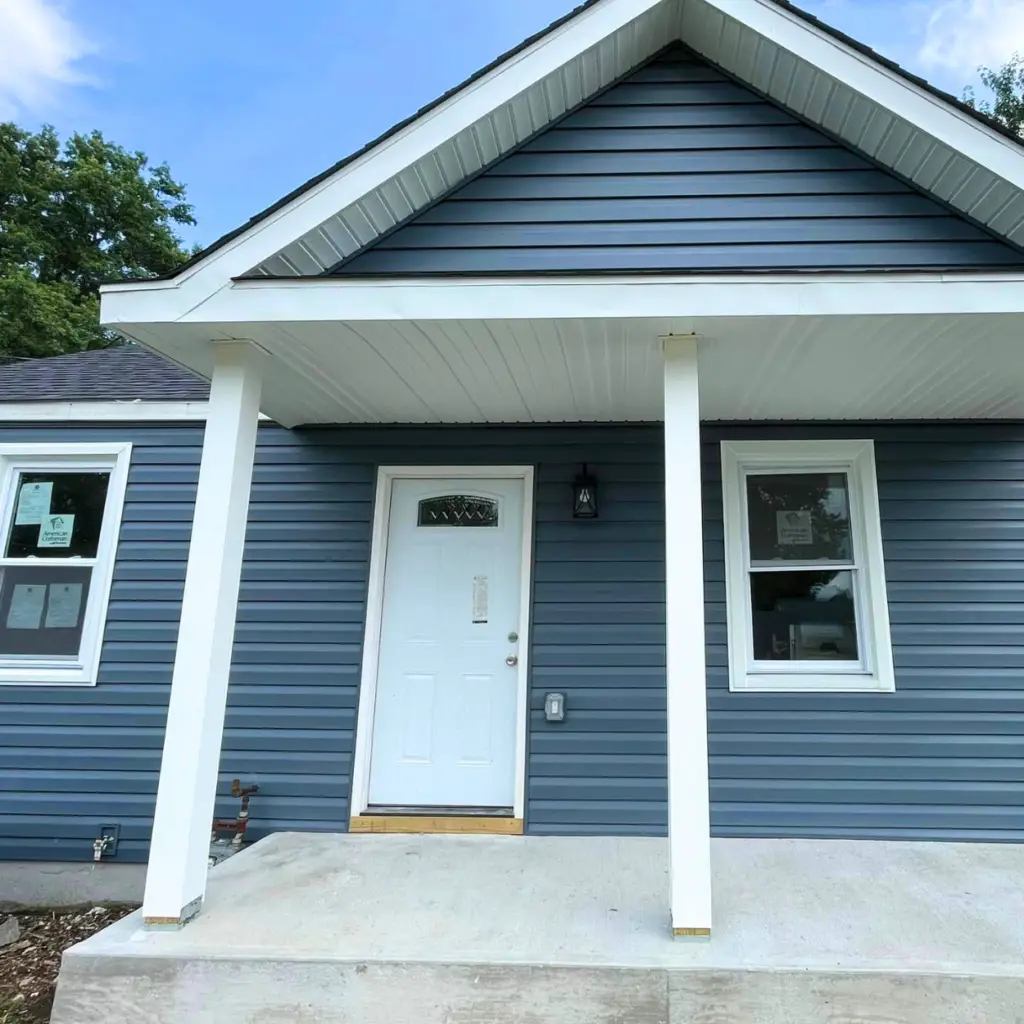
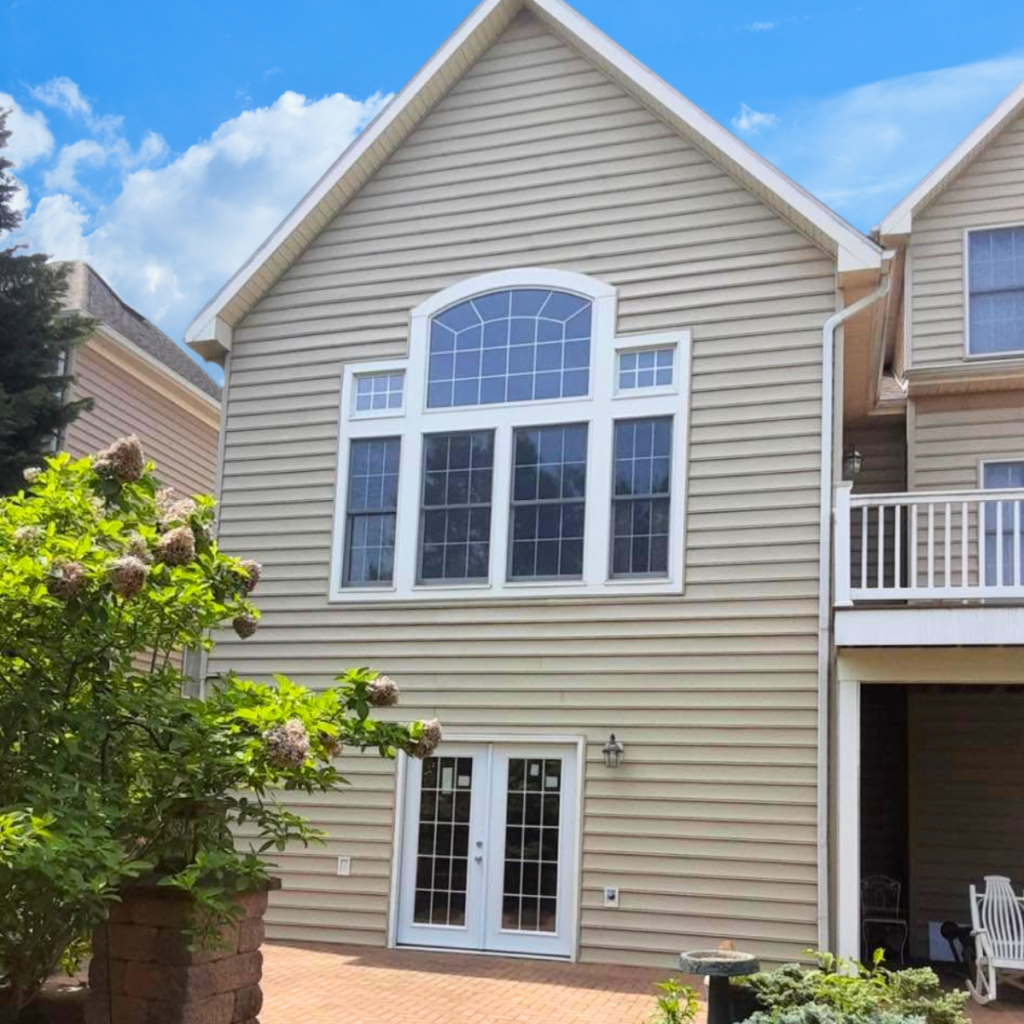
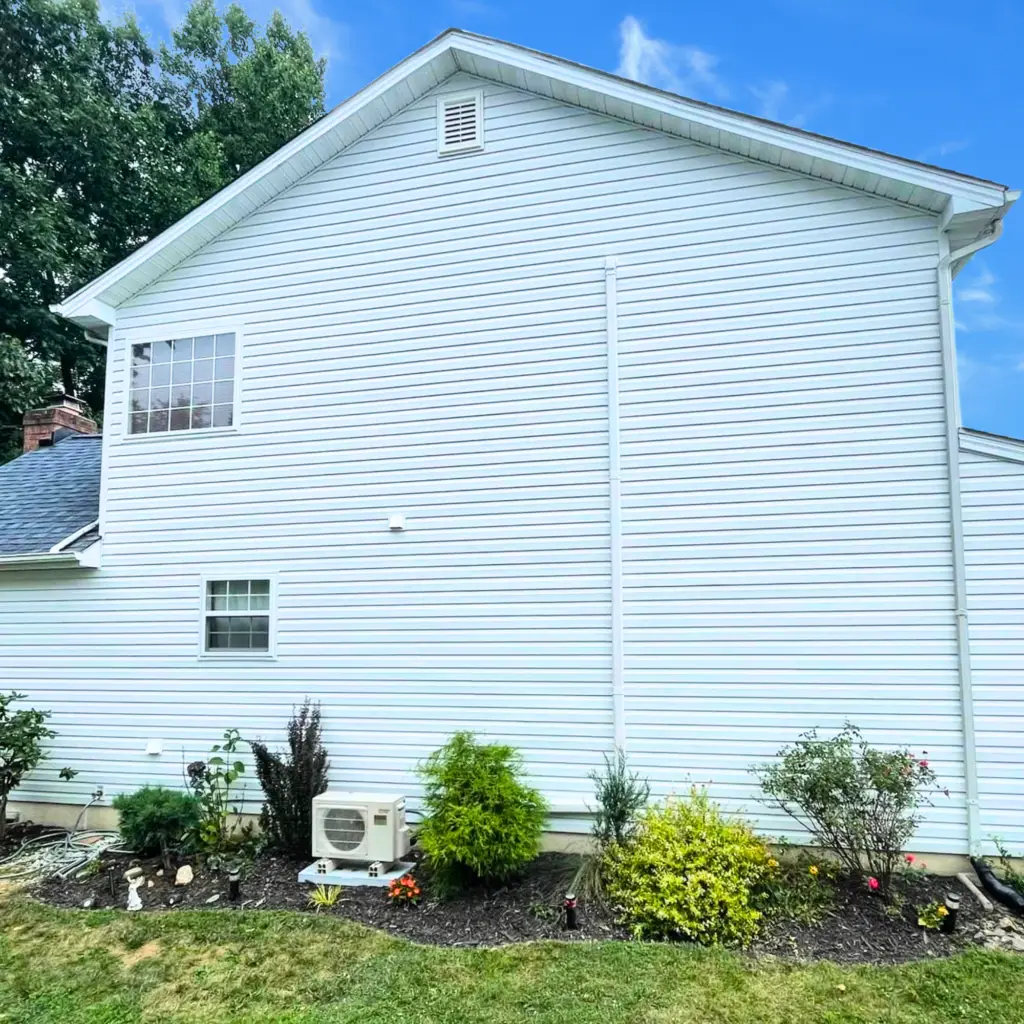
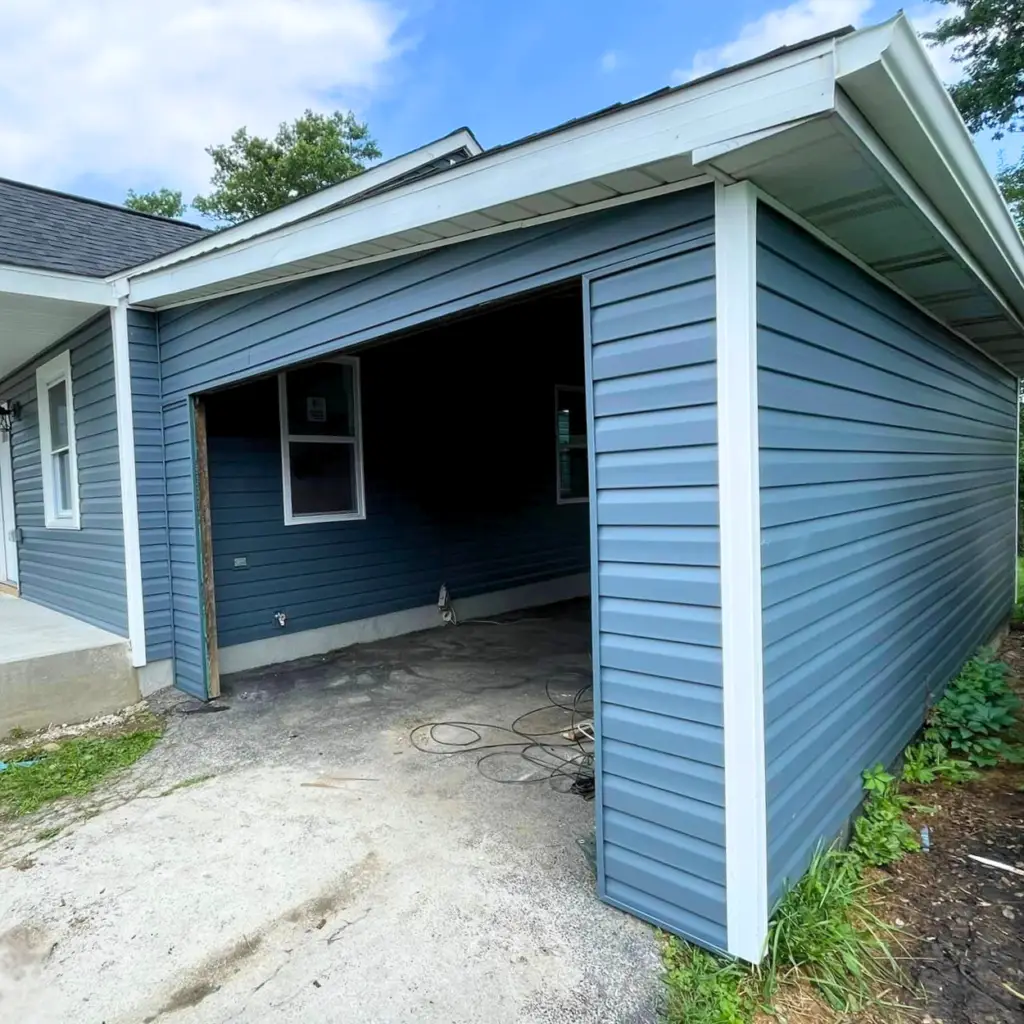
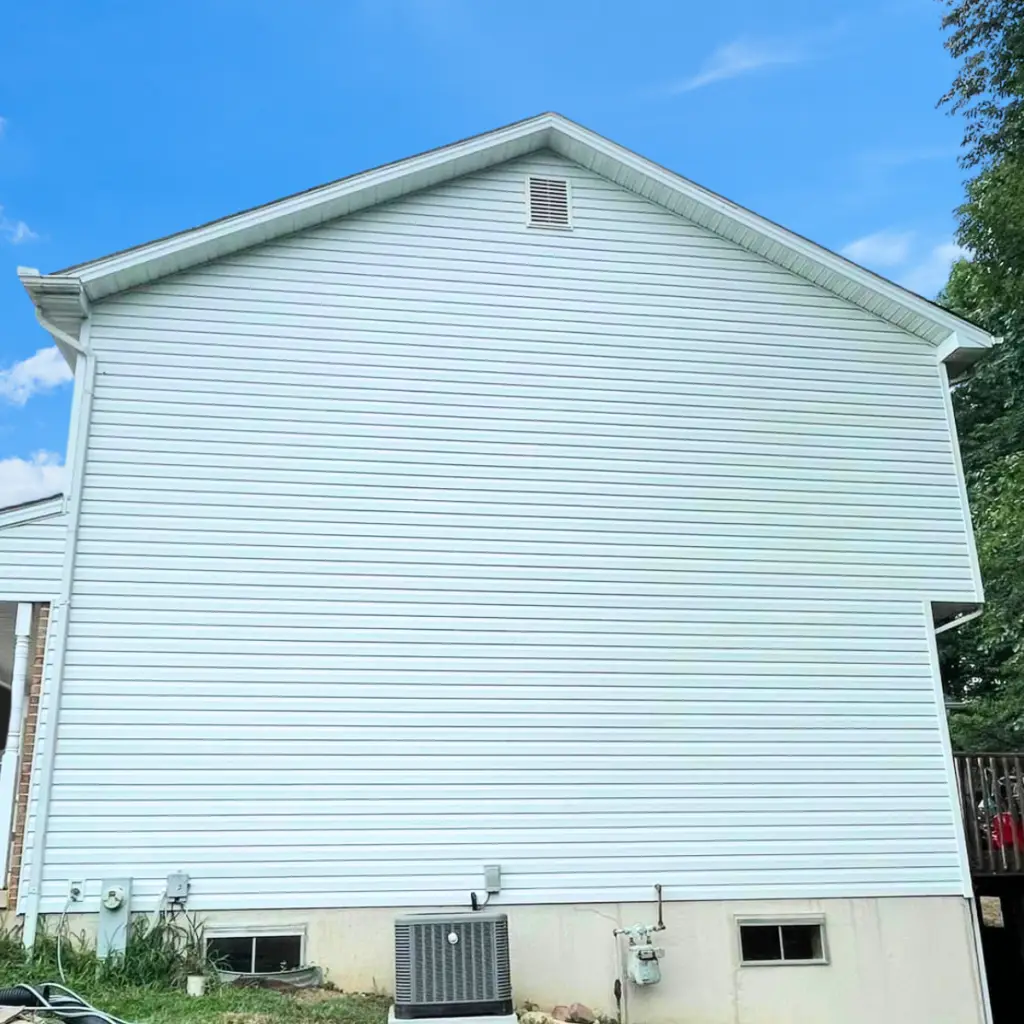
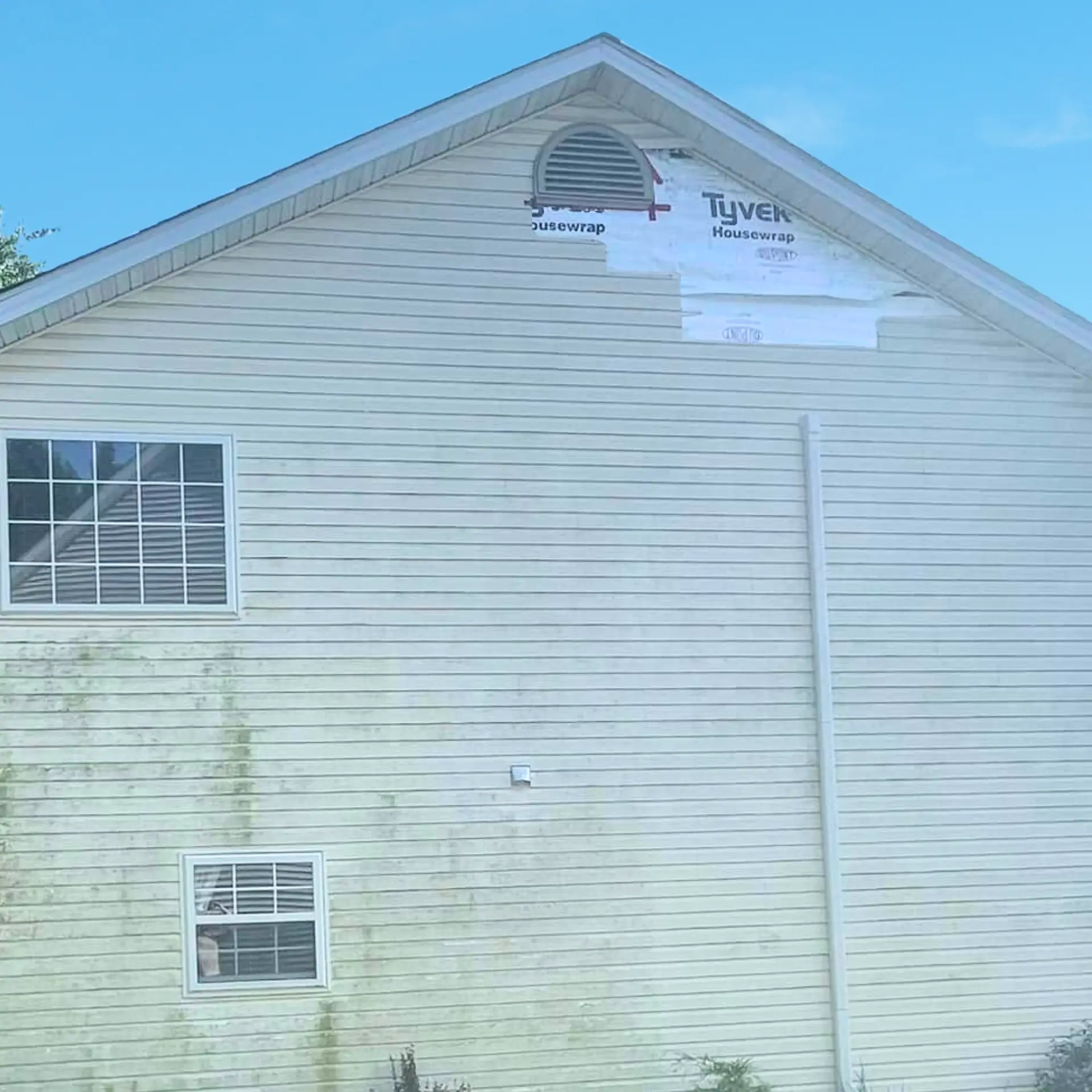
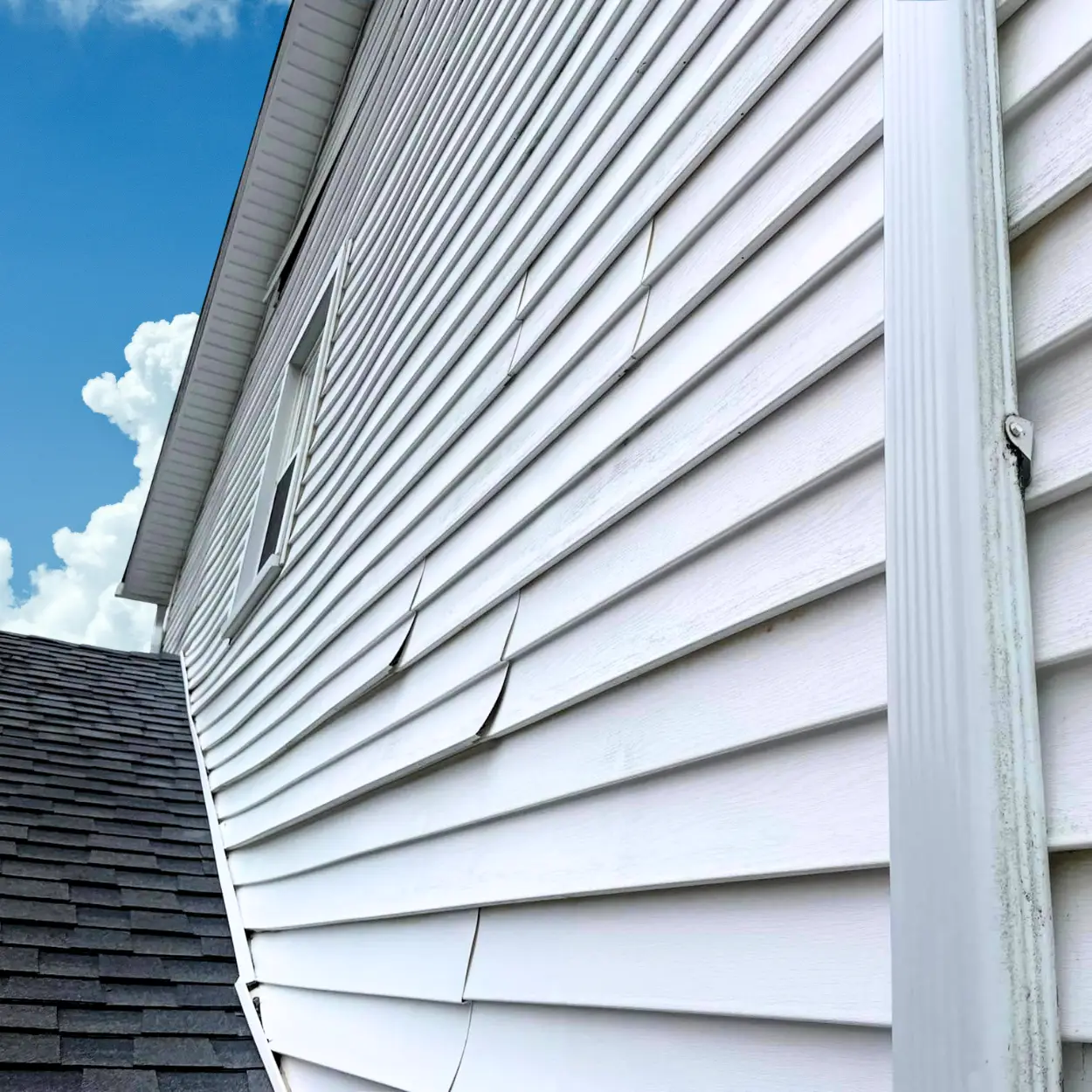
Siding can become damaged over time due to weather exposure, impacts, moisture, or normal aging. Addressing damaged areas early can help maintain your home's appearance and prevent additional issues from developing.
Common concerns include:
+ Cracked or broken siding panels
+ Loose or missing sections
+ Warping, buckling, or visible damage
Even when siding is not severely damaged, years of exposure to the elements can cause it to fade, deteriorate, or lose its ability to properly protect the home. An evaluation can help determine whether repairs or replacement may be the better long-term solution.
Signs of aging siding include:
+ Fading or discoloration
+ Peeling, cracking, or deterioration
+ Frequent maintenance requirements
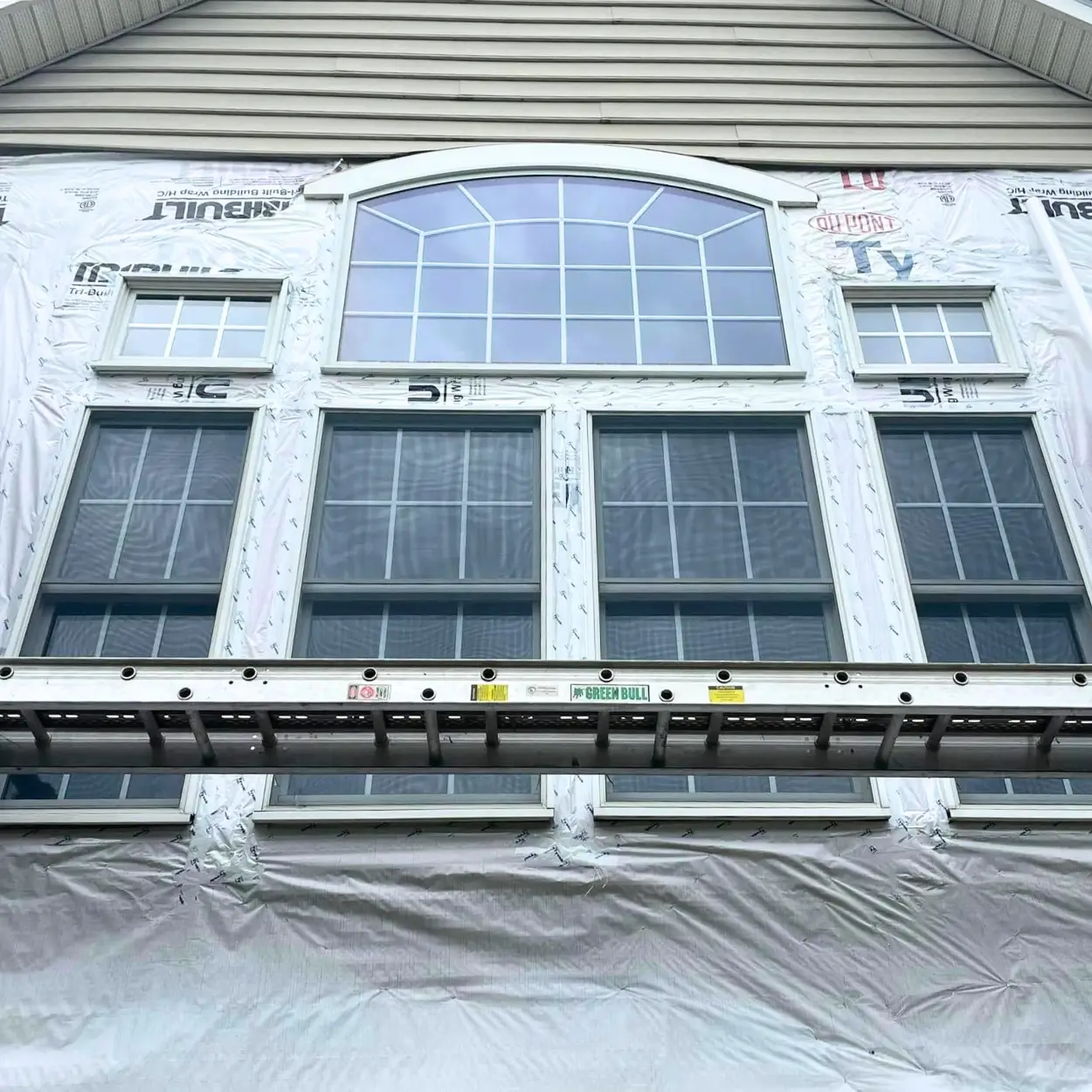
When siding has reached the end of its useful life or damage is widespread, replacement can improve both protection and curb appeal. New siding can help refresh the appearance of a home while providing long-term durability.
Replacement may be recommended when:
+ Damage affects multiple areas of the home
+ Existing siding is nearing the end of its lifespan
+ Repairs are becoming increasingly frequent
Siding plays an important role in helping protect the home from the elements. Properly installed siding can help improve weather resistance and contribute to overall energy performance.
Benefits may include:
+ Improved protection from moisture and weather
+ Enhanced exterior appearance
+ Increased confidence in your home's exterior system
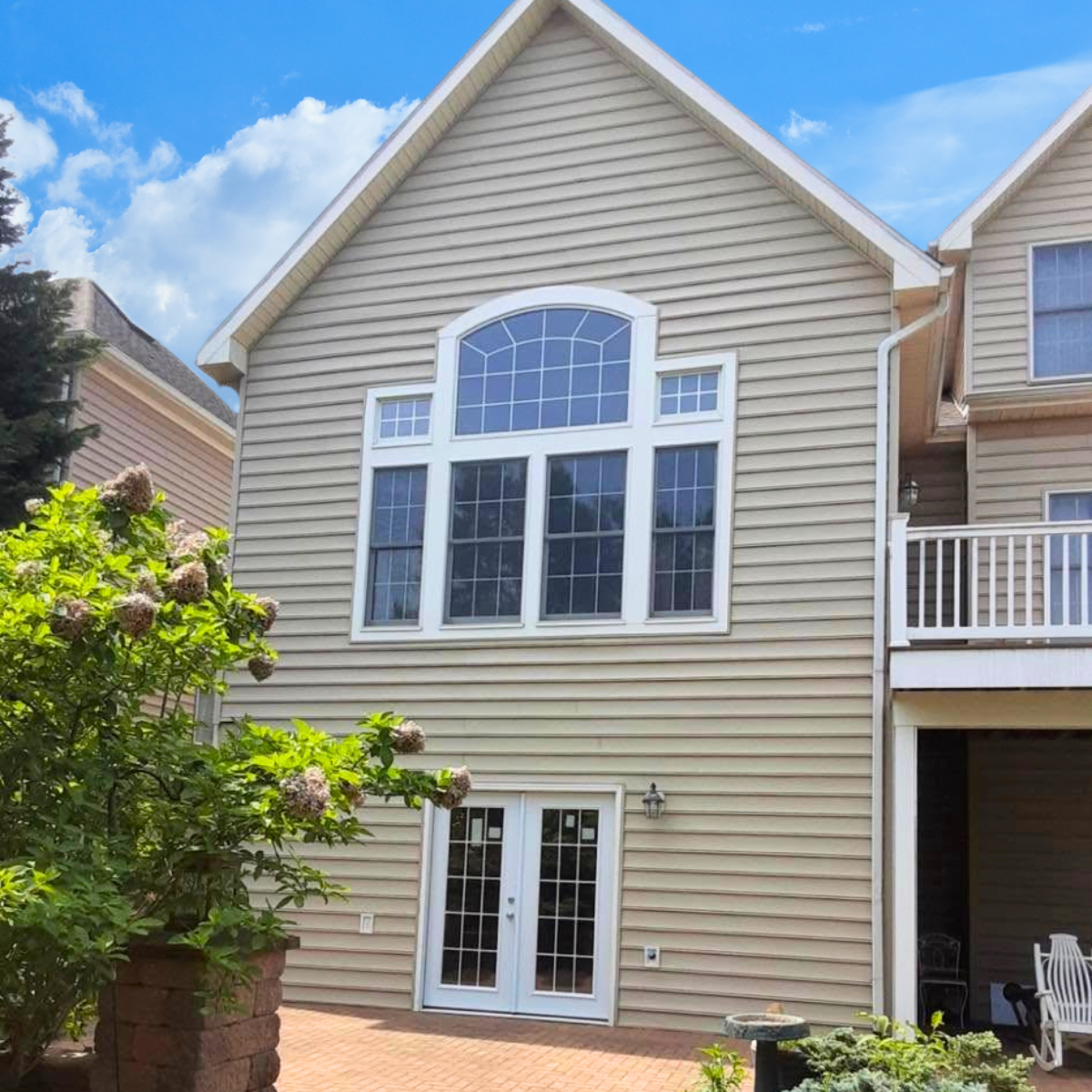
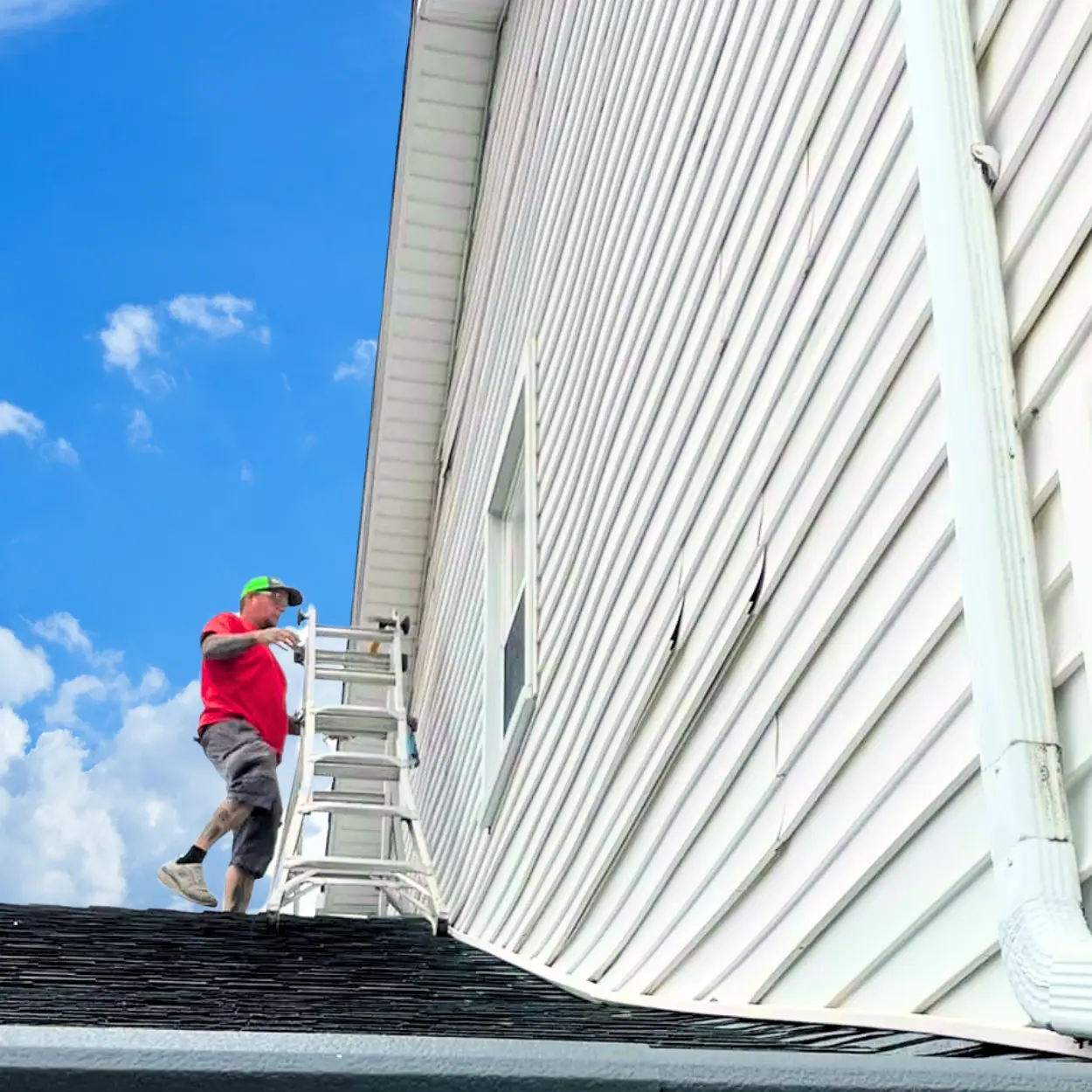
Siding damage can sometimes occur during severe weather events such as high winds or hailstorms. We help homeowners understand what we're seeing, document visible damage, and provide information that may be useful during the claims process.
We can help with:
+ Siding inspections following storm events
+ Documentation of visible damage
+ Communication throughout the inspection process
Tell us a little about your project or concern and we'll reach out to discuss the next steps and schedule a convenient time for an inspection.
Tell us a little about your project and we'll reach out to learn more, answer questions, and discuss the next steps.